Quick decision table
Practical steps
- Organize supplier, cargo name, and shipment mark for each batch.
- Have suppliers deliver to the consolidation warehouse or arrange pickup.
- Warehouse checks cartons, photos, weight, and dimensions after receiving.
- Organize packing data, invoices, and label requirements together.
- Confirm ocean or air DDP and arrange shipment.
- After US arrival, connect clearance, delivery, and receipt updates.
What can change the answer
- Supplier ready dates differ
- Product categories and document needs differ
- Repacking, labeling, or palletization needs
- Split delivery to multiple US addresses
How Qianding can help
- Yiwu-local consolidation and supplier communication
- Warehouse checks and basic operations
- Unified shipment documents
- USA DDP routing by destination
What the customer should prepare
- Give each supplier clear marks or order numbers
- Provide product and order list
- Confirm which cargo can wait for consolidation
- Provide US warehouse and label requirements
Before your supplier ships
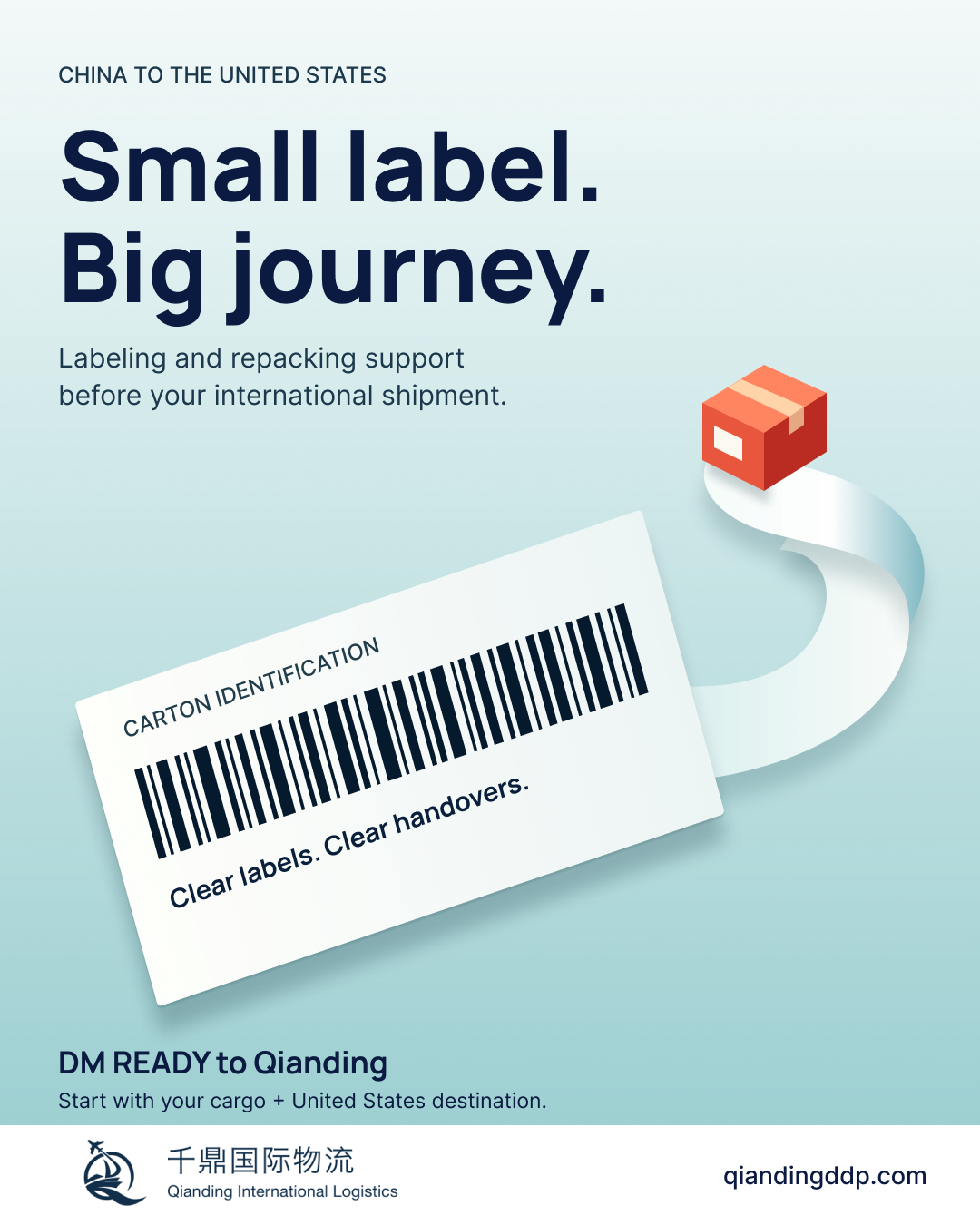
A consolidation plan starts before the first carton arrives. For goods moving from China to the United States, agree how each supplier batch will be identified and which version of the packing list accompanies it. A readable label cannot resolve a quantity mismatch by itself.
Three checks before handover
- Make current shipping labels readable. Check that they are visible and flat, with no fold through the code. Remove obsolete shipping labels, but preserve required handling, product and safety markings. These general labeling principles are supported by DHL eCommerce's packing guidance; specific carrier and receiving-warehouse instructions take priority.
- Connect every carton to a supplier batch. Agree a clear order or batch reference with the supplier and the receiving team. A supplier reference, a transport label and a destination warehouse label may serve different purposes; do not assume one replaces the others.
- Reconcile the carton count. Compare what is ready to leave with the current packing list. Note cartons held back, replacements or split batches before dispatch, then share the corrected record privately.
A supplier handover record
Use this as a discussion checklist, not a compulsory format for every carrier. Keep customer addresses, supplier contacts and shipment documents out of public social comments.
If something does not match
Ask the supplier and receiving team to review the affected cartons before dispatch. Keep the original record, identify what changed and agree the corrected version. Do not invent a missing warehouse label or alter safety markings to make the paperwork appear consistent.
Qianding can help coordinate carton checks, labeling and repacking in Yiwu under the agreed service plan. Confirm the cargo, carrier and warehouse requirements, handling scope and charges first. A basic carton check is not a product-quality certification. See our service scope and warehouse receiving guide.
Packaging Check
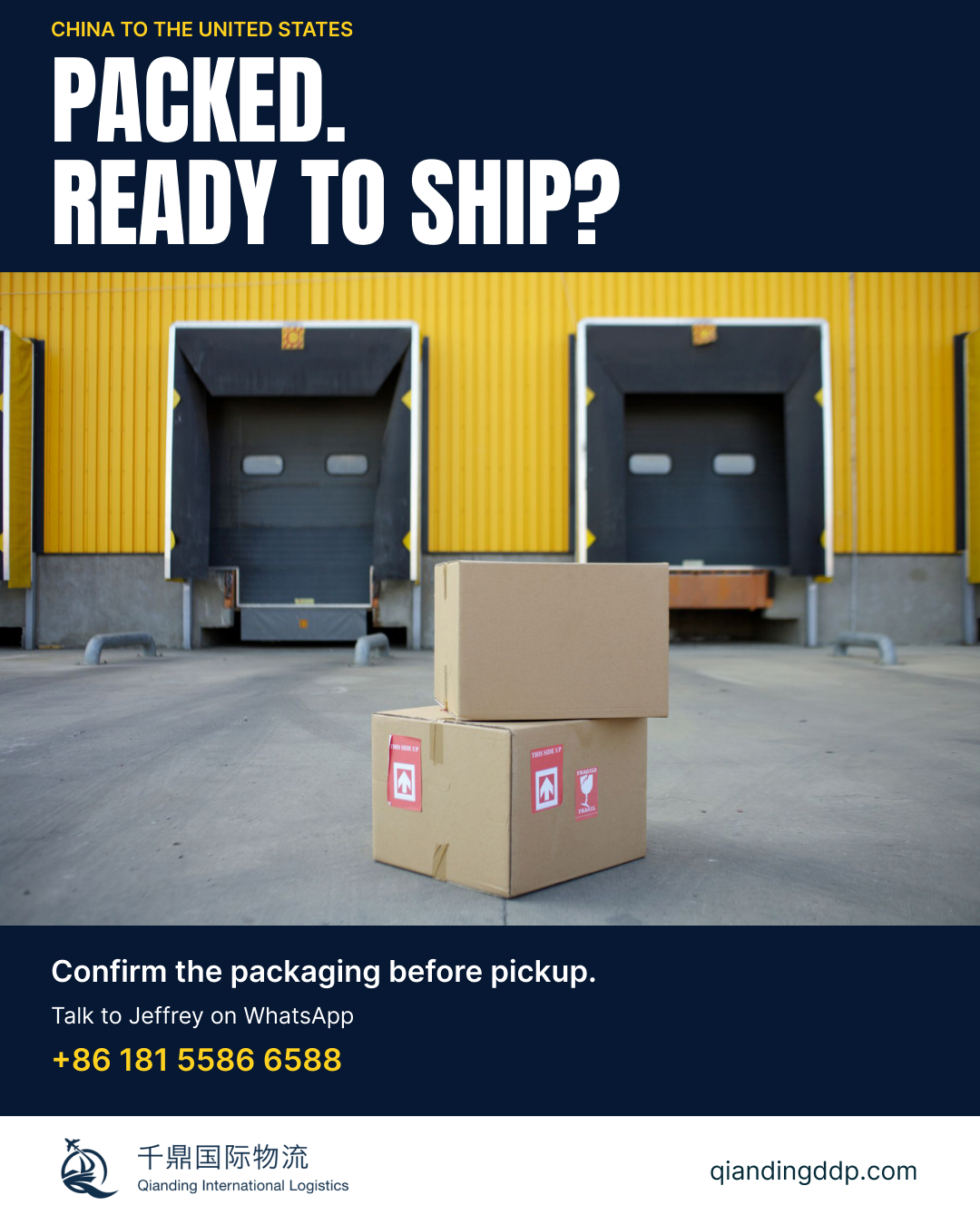
Packed does not always mean ready for pickup. Before goods leave your supplier in China, request photographs of the finished packaging, including the sides and base. A sealed-carton photograph alone cannot show how a fragile product is protected inside.
Check the outside
For palletized cargo, cartons should remain within the pallet footprint, the load should be secured and the top should be level. These general principles are described in DHL's cargo packaging guidance. Confirm the requirements for your actual cargo, carrier and receiving location before booking.
Look inside the carton
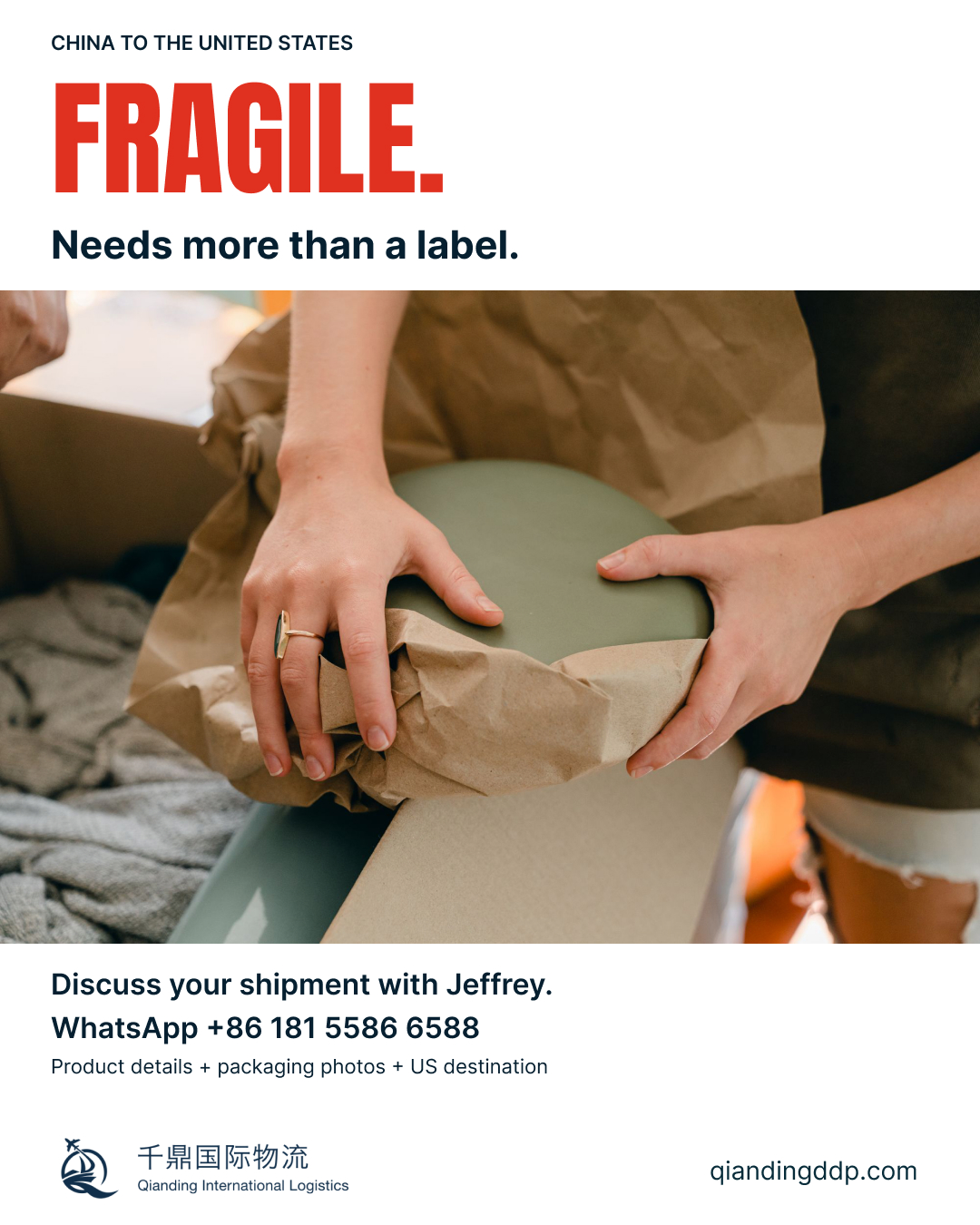
A FRAGILE label is not a packing plan. Ask your supplier whether the outer box suits the product and cushioning, whether each fragile item is protected separately, and how the cushioning restricts movement. FedEx's breakables guide explains these general protective-packaging principles.
These questions are a starting point, not a complete packaging specification or a guarantee against damage. The photograph illustrates one packing step; it does not establish that paper wrapping alone is sufficient.
A photo checklist for your supplier
- Finished packaging: overall view, sides and base.
- For palletized cargo: the carton edges, securing method and top of the load.
- For breakables: protection around individual items and cushioning inside the box, photographed before sealing.
Send the product details, relevant packaging photos and United States destination privately. If a photo does not answer a question, ask for clarification rather than treating it as proof of transport suitability. Keep customer documents and addresses out of public comments.
Discuss your shipment with Jeffrey on WhatsApp. Confirm any inspection, repacking or handling work and charges in the agreed service scope before it begins.
FAQ
What should be checked before supplier handover?
Check current shipping labels, supplier batch identification and agreement between carton counts and the current packing list. Resolve differences before dispatch and confirm the specific carrier and receiving-warehouse instructions.
Should every old marking be removed?
No. Remove obsolete shipping labels, but preserve required handling, product and safety markings. Ask the responsible carrier or warehouse if the correct label is unclear.
What if the packing list and carton count differ?
Flag the affected batch, ask the supplier to reconcile the difference and agree an updated record with the receiving team before dispatch. Do not silently change quantities to make the documents match.
Does labeling or repacking have a fixed included price?
No universal price or inclusion is stated here. Confirm the work, cargo requirements and applicable charges in the written service plan before the work starts.
Can multiple suppliers combine into one shipment?
Yes, if cargo names, carton data, invoices, and packing data are organized.
Can part of the cargo ship first?
Yes, urgent cargo can be split, but cost and operations change.
Can the warehouse take receiving photos?
Receiving photos, carton checks, and basic records can be arranged within the service scope.
What if 1688 suppliers cannot export?
Ask Qianding to review the cargo, documents and service scope before instructing a supplier to send goods domestically to a consolidation warehouse. Export and United States delivery must follow the accepted shipment plan.
Sources
- International Trade Administration: Know Your Incoterms
- U.S. Customs and Border Protection: Basic Importing and Exporting
This guide is for shipment preparation and quote discussion. It is not legal, tax, or customs-compliance advice. The final plan depends on actual cargo data, US regulatory requirements, current route availability, and the written quotation.